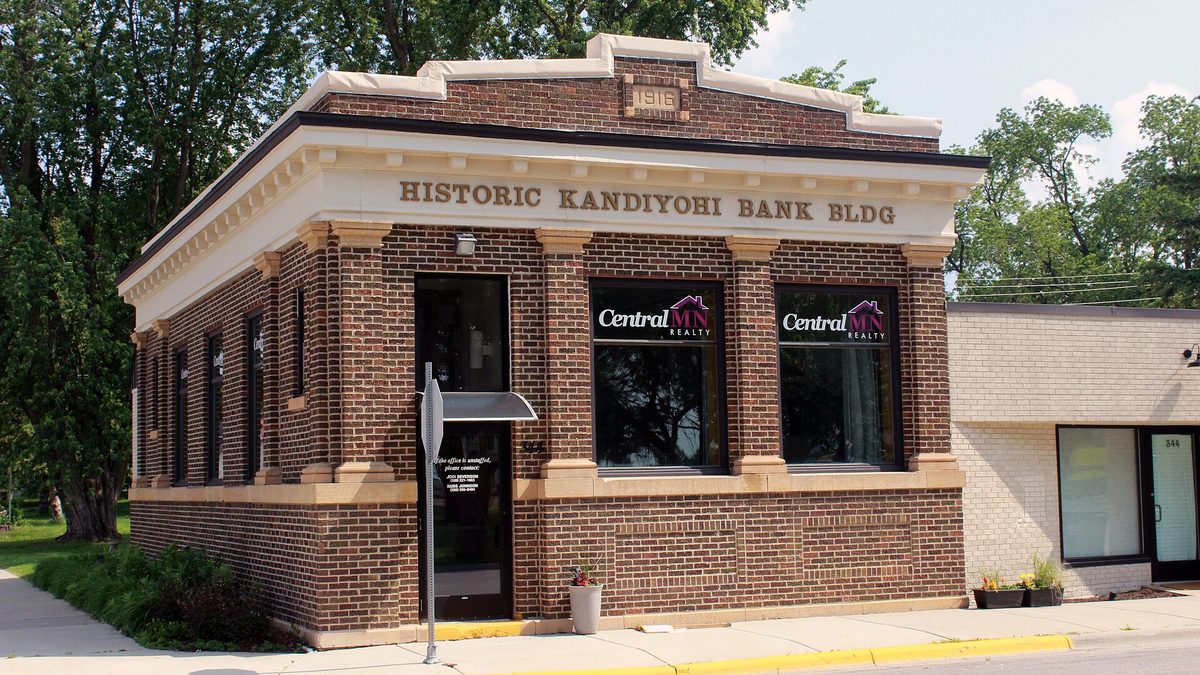
Old homes for sale offer historic charm and unique character
Old homes for sale offer historic charm and unique character
Old homes for sale offer historic charm and unique character.
That is the plain answer. The harder part is what that means in real life. An old house can give a buyer details that newer homes often skip. Original wood trim, older floor plans, built-ins, plaster walls, and small layout quirks can make the place feel lived in and distinct.
That is the appeal. People are not just buying square feet. They are often buying a home with some age on it, and age leaves marks. Some are good. Some are costly. Both matter.
I think that is where the honest view starts. The charm is real, but it is not free. Older homes often need more care because time touches every system in the house. Roofs wear out. Pipes age. Electrical panels may be outdated. Windows may leak air. These are not rare problems. They are common ones.
That does not make an old home a bad choice. It just means the buyer has to look past the first impression. A pretty staircase or a front porch with character can hide work that is not so pretty. The useful question is not only whether the home feels special. It is whether the structure, systems, and upkeep history can support the next chapter.
What buyers usually get from an older home
The main draw is character. New homes can be clean and efficient, but many of them look and feel alike. Old homes often have details that are harder to find now. Thick trim. Arched doorways. Solid doors. Wider lots in some neighborhoods. Rooms that do not all follow the same modern pattern.
There is also the feel of an older neighborhood. Streets may have mature trees and homes with a similar age and scale. That can matter as much as the house itself. For some buyers, that setting is part of the value.
The other part is less visible. Older homes often sit in established areas with long-term owners and fewer empty lots. That can be a plus for people who want a settled block instead of a brand-new build area still filling in.
Still, charm should not be mistaken for condition. A home can be attractive and still need major updates. Those updates may not show up in a quick walk-through. They often show up in inspection reports, repair estimates, and monthly costs after the move.
The part that needs a clear eye
This is where buyers get caught. Old homes can carry hidden wear. Some of it is small. Some of it is not. A roof near the end of its life, old wiring, old plumbing, moisture in the basement, or poor insulation can change the cost of owning the home fast.
A good home inspection matters here. So does a careful look at the age of major systems. If a house still has older electrical parts, that may mean future work. If the plumbing is dated, that can affect repairs and water damage risk. If the windows are original, they may be part of the charm and part of the energy loss at the same time.
There is also a safety issue in some older homes. Materials used long ago may not match today’s standards. Lead paint and asbestos can be concerns in older properties. That does not mean every old home has these issues. It means age alone raises the need to check.
I think this is the point where emotion and math have to meet. A buyer may fall in love with the look of an old house. That is normal. But the numbers still have to work. Repair costs, ongoing maintenance, and possible upgrades can change the real price of ownership.
Historic charm can come with rules
Some older homes are part of historic districts or local preservation rules. That can affect what changes are allowed. Exterior work, windows, siding, porches, and other features may face limits. The rules are not the same everywhere, and that is part of the uncertainty.
This is one area where buyers often want a simple answer, but there is not one. Two homes on the same street can face different rules depending on local status, deeds, or neighborhood standards. That means the title work, local records, and city rules matter more than most people think.
I do not see that as a reason to avoid old homes. I see it as a reason to slow down. A home with historic value can be a good fit for someone who wants to preserve its look. It can also be frustrating for someone who wants to remodel every room right away. The home does not change. The buyer’s plans have to fit the home’s limits.
The practical truth behind the charm
Old homes are often chosen with the heart first. That makes sense. But the best outcomes usually come when the heart gets a firm talk from the numbers. The buyer who understands the roof, the furnace, the wiring, the plumbing, and the likely repair path is in a much stronger position than the buyer who only sees character.
That does not mean every old home is risky. It means the risk is uneven. Some older homes have been cared for well. Some have had careful updates. Others are waiting for problems to surface. Age alone does not tell the whole story.
The honest limit is this: no one can tell from charm alone whether an old home is a bargain or a burden. The condition of the home, the quality of past upkeep, and the local rules around changes all affect the picture. That is why old homes deserve respect, not just romance.
When I look at old homes for sale, I come back to the same point. They offer historic charm and unique character, yes. But they also ask for more attention. That is not a flaw. It is part of the deal. For buyers and owners who want the truth in plain language, that is the kind of thing The Closing Table tries to do well: practical real estate and mortgage insight for buyers, owners, and investors, one useful idea at a time.