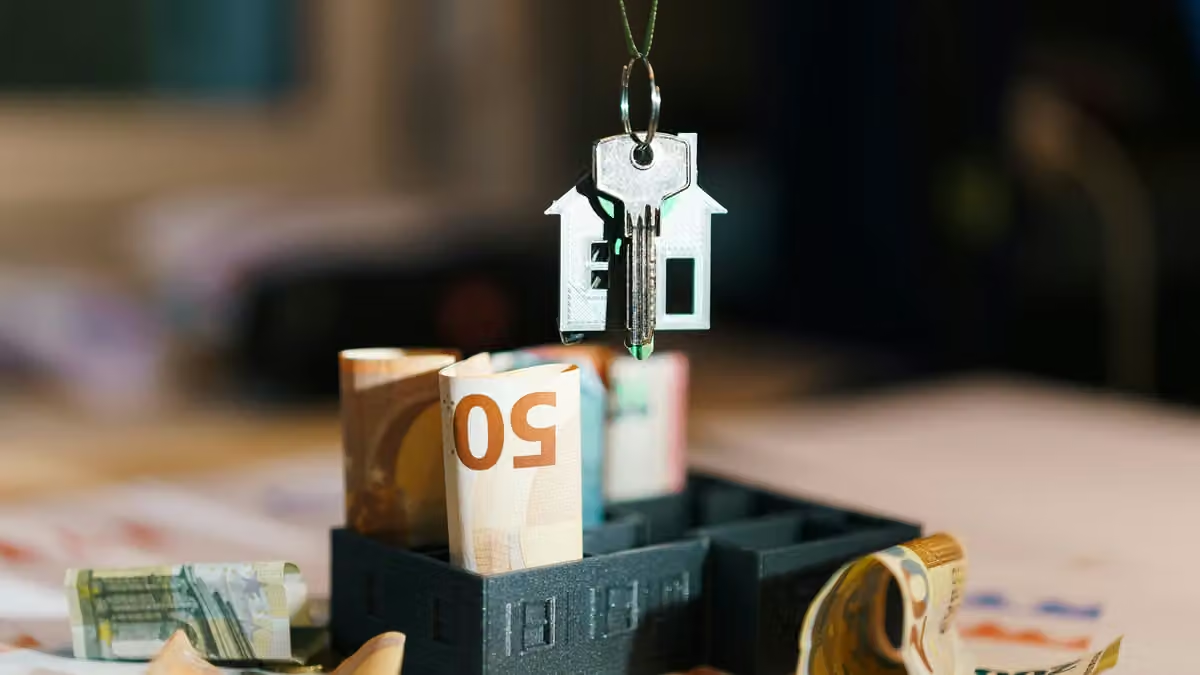
Home inspections protect your investment by revealing hidden defects.
Home inspections protect your investment by revealing hidden defects.
A home can look solid and still hide expensive problems. That is the basic reason inspections matter. They show what a buyer cannot see during a quick walk-through.
A purchase feels biggest when the house looks clean and fresh. Paint can cover trouble. New floors can hide old leaks. A home inspection slows the process down and puts a trained set of eyes on the property before money changes hands.
That matters because a house is not a small buy. It is a major asset, and the repair bill can reach into the same pile of money used for the down payment and closing costs. I have seen how fast a simple “looks fine” judgment can turn into a hard number.
A professional inspector looks at the structure and the systems that keep the home usable. That means the foundation and framing, the roof, and signs of leaks. It also means plumbing, electrical parts, heating and cooling equipment, and possible concerns like mold, pests, asbestos, or radon.
Each of those items can affect cost in a different way. A loose doorknob is annoying. A cracked roof line is a different kind of problem. A failing furnace or old wiring can shift a monthly budget in a real way.
The inspection report gives the buyer facts before the deal closes. That is the value. It replaces guesswork with a list of defects that can be measured, priced, and discussed.
Here is the part people often miss. An inspection is not there to make a house perfect. It is there to expose the hidden issues that affect the price, the repairs, and the risk of ownership. That is a very different job.
If the report shows a major defect, the next step is usually negotiation. Repairs can be requested. A credit can be asked for. Sometimes the price moves instead. The point is to bring the contract closer to the real condition of the home.
Sometimes the numbers do not work. If the repairs are too large, the safer move is to walk away. That sounds harsh, but it is often the cleanest way to protect cash and peace of mind. A bad property can drain a buyer long after closing day.
This is where the emotional side of the process shows up. People fall in love with a kitchen or a school district. Then they find out the sewer line is old, the roof has problems, or the crawl space needs work. That moment hurts because it collides with the dream. Still, it is better to learn it early than after the lender has funded the loan.
Financing adds another layer. The lender will also order an appraisal to check value. An appraisal is different from an inspection. The inspector looks at condition. The appraiser looks at value compared with the sale price and nearby homes.
If the appraisal comes in below the purchase price, the gap does not disappear. The buyer and seller must renegotiate, or the buyer must bring extra cash to cover the difference. If the appraisal is above the price, the buyer starts with equity on paper because the home is valued higher than the contract amount.
A simple example makes this easier to see. Say a buyer agrees to purchase a home for $400,000. The inspection finds a roof problem that may cost $12,000 to fix. The appraisal then comes in at $390,000. Now there are two separate issues. One is the repair cost. The other is the value gap.
That buyer has to sort out both numbers before closing. The roof issue can lead to a repair credit or a lower price. The appraisal gap can mean more cash at closing or another round of negotiation. This is why inspections and appraisals are part of the same money conversation, even though they do different jobs.
For investors, the stakes can be even sharper. A rental property can hide trouble in places that do not show up in a glossy listing. Existing leases matter. So does tenant payment history. Security deposits and lease terms need a close look. If there has been an eviction history, that matters too.
Red flags in rentals are often about income and legal risk. Long vacancies can point to a weak location or a bad condition. Unpaid rent can signal collection problems. Illegal leases can create headaches that do not show up in the first month of ownership. A property can look like a bargain and still carry a bad lease structure underneath it.
The same idea applies across all types of residential deals. The inspection tells the truth about condition. The appraisal tells the truth about value. Lease review tells the truth about income and tenant risk. None of those reports removes risk, but each one lowers the chance of being surprised after closing.
That is what a smart buyer is really paying for. Not perfection. Not comfort. Clarity. Clarity is what lets a person compare the deal on paper with the home in front of them.
I think that is why inspections feel so practical, even when they are uncomfortable. They protect the investment by forcing the hidden issues into the open before the signatures are final. Once you can see the defect, you can price it. Once you can price it, you can decide.
That is the lesson here. A home inspection gives a buyer the missing facts needed to judge condition, cost, and risk with a steadier hand.
The Closing Table is built around that same idea, with practical real estate and mortgage insight for buyers, owners, and investors, one useful idea at a time.