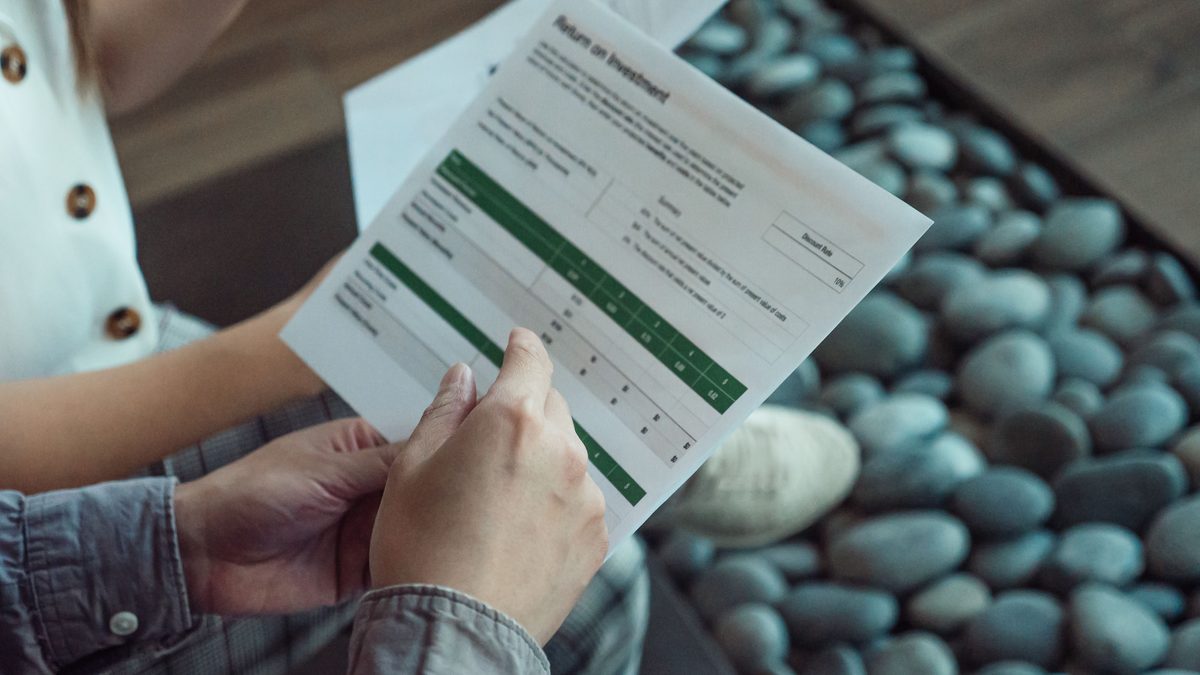
In-house financing lets you buy without a bank loan.
In-house financing lets you buy without a bank loan.
In-house financing lets you buy without a bank loan.
That is the plain answer, and it matters because it changes who is doing the lending. In this setup, the seller or property owner steps in as the lender instead of a bank. The buyer still makes payments, but the money trail is direct.
I think people hear that and assume it means easy money. It does not. It means a different route. The deal can move without the usual bank approval process, but the buyer still has to agree to terms, and those terms still matter a great deal.
What I want to be clear about first is this: in-house financing is often another name for seller financing or owner financing. The seller may let the buyer pay over time instead of taking the full price at closing. That can help when a buyer has trouble with a bank loan, or when a seller wants a faster sale.
The parts that look simple on paper can still be heavy in real life. There is still a down payment in many deals. There is still interest. There is still a monthly payment. Sometimes the term is short, and sometimes a balloon payment comes due at the end. That balloon payment is a large balance that must be paid all at once.
That last part gets missed too often. A buyer may feel relief at skipping the bank, then later face a payoff that is much larger than the monthly check suggested. I think that is where fear and math meet. The fear is real. So is the payment schedule.
There is also a legal side that needs care. The deed, the note, the title, and any due-on-sale issue can all matter. A due-on-sale clause is a loan term that can require the seller to pay off an existing mortgage if the property changes hands. If the seller still owes a bank on the home, that clause can affect whether in-house financing is even possible.
That is one of the honest limits here. In-house financing is not always available, and it is not always simple. The seller may not have the right setup to offer it. The property may have a loan that gets in the way. The contract may also need careful review so both sides know who holds the risk.
I also keep a close eye on flexibility, because that is one reason people look at this kind of deal. A seller may set different terms than a bank would. The approval process may feel less rigid. But flexibility is not the same as safety. A looser path can still be an expensive one if the rate, term, or payment structure is weak.
That is the part many buyers only learn after the first round of excitement settles. The question is not just whether you can buy without a bank loan. The real question is what the full cost looks like over time. Monthly payment, interest, down payment, and final payoff all belong in the same picture.
I do not see in-house financing as magic. I see it as a private financing method with clear tradeoffs. It can open a door that a bank closes. It can also build a narrower hallway after the door opens.
For a buyer, the main fact is simple enough. In-house financing lets you buy without a bank loan. For a seller, it means becoming the lender and taking on a role that banks usually fill. That shift can help a deal close, but it also moves more risk onto the seller.
The uncertainty is in the terms. Every agreement can be different. One may have a fair structure. Another may be hard to live with after the first year. That is why the numbers deserve respect before anyone signs. A rushed yes can become an expensive yes.
I think the cleanest way to hold this idea is to treat it as a financing path, not a shortcut. It is a way to buy, but it is not a reason to stop checking the math. When the bank steps out, the details matter even more.
That is the kind of thing I want readers to remember. The loan source changes, but the obligation does not go away. The payment still comes due, and the terms still shape the result. Real estate gets easier to trust when the numbers are plain and the risks are named.
That is the kind of practical point The Closing Table tries to keep in view, one useful idea at a time, for buyers, owners, and investors who want the truth in simple words.