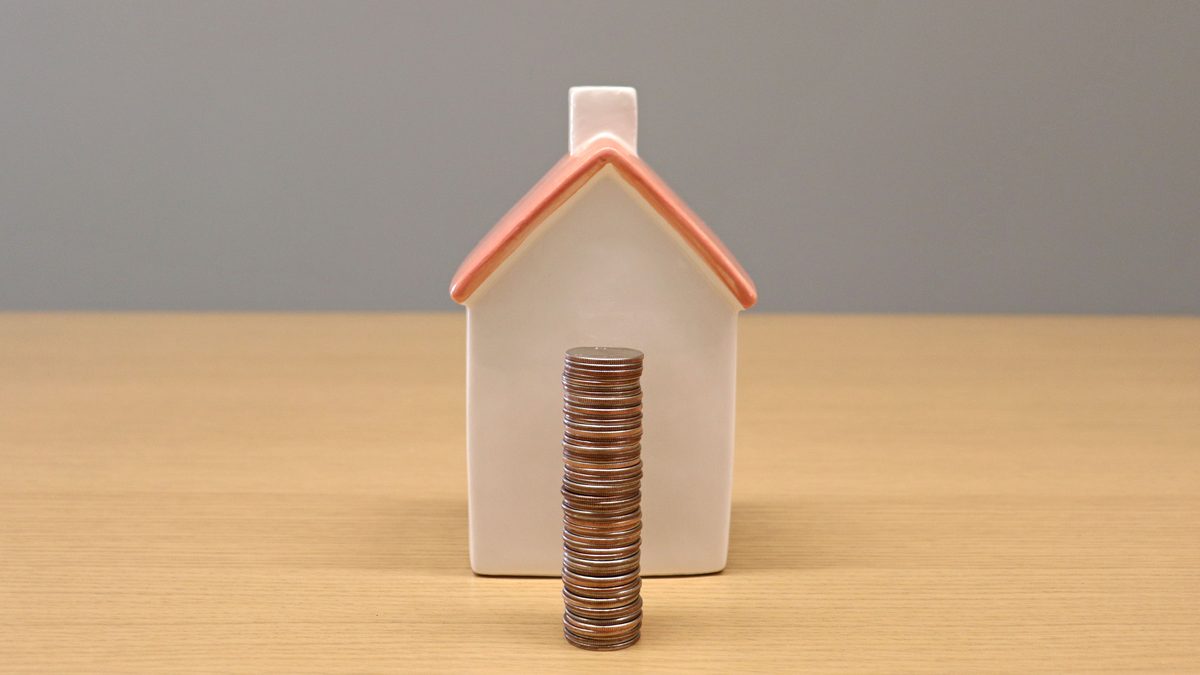
Fixed rates often offer lower initial costs than adjustable options.
Fixed rates often offer lower initial costs than adjustable options.
A fixed-rate mortgage often costs less at the start than an adjustable-rate mortgage. That may sound backward. Many adjustable loans, called ARMs, begin with a lower rate. The difference is that the first rate is only a starting rate.
That detail matters when a buyer looks at the first payment. A low ARM payment can make the loan look cheaper. Yet the loan may carry more cost later. A fixed-rate loan may have a higher rate in some markets, but its rate does not change during the loan term.
That is why the phrase “initial costs” needs care. It can mean the money due at closing. It can also mean the early monthly payment. These are different numbers.
The first payment does not tell the whole story
A fixed-rate loan may have a lower upfront cost when fees and loan pricing are compared. The result depends on the loan size, credit, down payment, points, property, and market rates. A point is an upfront fee equal to one percent of the loan amount. Some borrowers pay points to get a lower rate.
An ARM may also have lower upfront pricing. That is not automatic. Loan offers can include different points, lender fees, and credits. Two loans with the same loan type can have different closing costs.
The cleanest comparison starts with the same loan amount and the same down payment. Then the focus turns to the rate, points, lender fees, and total cash due at closing. Looking only at the advertised rate can hide the real price.
The early monthly payment brings another issue. Many ARMs hold the starting rate for a set period. It might last several years. After that, the rate can change at set times. The new rate is based on a market index plus a lender margin. The loan also has limits called caps, but caps do not stop a payment from rising.
A fixed-rate loan works differently. The interest rate stays the same. The principal and interest part of the payment stays the same too. The full payment can still change if property taxes, homeowners insurance, or mortgage insurance changes.
That steady payment has value. Families can plan around it. Owners can compare rent, savings, and other bills with less worry about a rate reset. The payment is easier to understand before signing.
The cost of waiting for a lower rate
An ARM can make sense for some borrowers. A person may expect to sell or refinance before the first adjustment. A lower starting payment may also help with short-term cash flow. Still, those plans can change.
A home may take longer to sell. A refinance may not be available on the expected schedule. Property values, income, credit, and market rates can all affect that choice later. The loan does not care what the original plan was.
This is where I slow down. A lower first payment is a real benefit. It is also an incomplete measure of cost.
A fixed loan may cost more during the first few years if its rate is higher. But the borrower knows the payment rule for the life of the loan. An ARM may cost less at first and more later. The key question is whether the early savings justify the risk of changing payments.
There is no single answer for every loan. The loan estimate shows the costs in a standard format. It also shows projected payments for an ARM. Those later payments are estimates, not promises. They help show how the payment could change under the loan terms.
For example, a hypothetical ARM may start at a lower rate for five years. After that, the rate may adjust every six months. If the index rises, the payment may rise. If the index falls, the payment may fall, though the loan rules may limit how fast that happens.
A fixed-rate loan removes that specific rate risk. It does not remove every housing cost. Taxes, insurance, repairs, and other ownership costs still exist. A stable mortgage payment is helpful, but it is not a complete household budget.
The honest limit is simple: fixed rates do not always have the lowest initial cost. Market conditions can change the result. An ARM can have a lower starting rate and lower early payments. A fixed loan may also require more points in one offer and fewer in another.
The headline holds as a practical rule, not a law. Fixed rates often offer lower initial costs than adjustable options when the full loan price is compared. But the only fair comparison uses the actual loan estimates, not a general claim about loan types.
I also would not treat the lowest first payment as the winner. The safer comparison includes the first payment, the cash due at closing, and the possible payment after the first adjustment. It includes the rate caps and the date of each change. These details can matter more than a small difference in the opening rate.
Money stress grows when a payment changes without a clear plan. That concern deserves respect. A mortgage may be one of the largest bills a household carries. A few hundred dollars of difference each month can affect savings, child care, repairs, and other basic needs.
This is also why sales language can cause trouble. “Lower payment” may describe only the first period. “Fixed” may describe the rate but not taxes or insurance. Both statements can be true while still leaving out the part that affects the budget most.
The practical point is plain. Fixed-rate loans often offer a lower total starting cost than adjustable options, especially when upfront fees and future payment risk are considered together. ARMs can offer lower early payments, but that benefit comes with a future rate change.
The decision is not about finding a perfect loan. It is about understanding which cost is certain and which cost can move. General information can explain the structure. A licensed mortgage professional can explain the terms of a specific loan offer.
At The Closing Table, practical real estate and mortgage insight should make one useful idea easier to understand at a time. In this case, that idea is simple: the first payment is only one number, and a fixed rate can sometimes cost less before the full risk of an adjustable loan is counted.