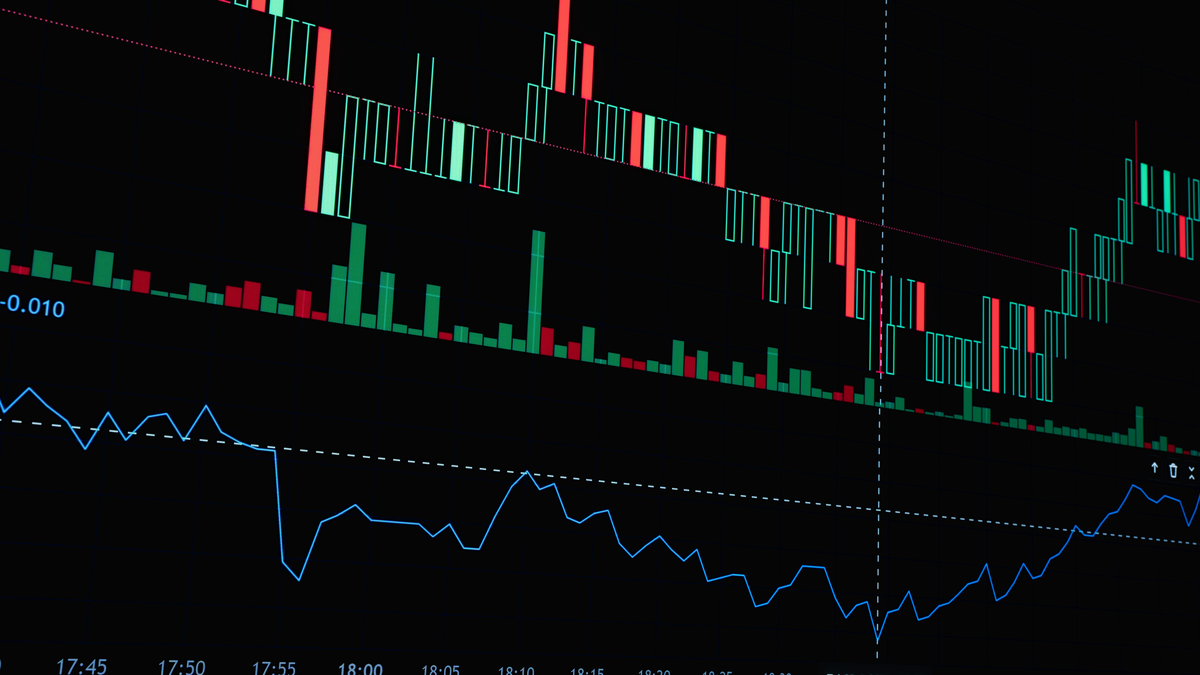
Stocks outpace bonds in returns
Stocks outpace bonds in returns
A common question hangs over a lot of money talk: why do stocks usually beat bonds over time, and what does that mean for someone trying to buy, finance, or hold real estate? The short answer is that stocks carry more risk, so they have a bigger return target. Bonds are steadier, but they usually pay less.
That difference matters in real estate because a house is not a stock account. A home can rise in value, but it also comes with debt, taxes, repairs, and a roof that does not care about your timeline. When people compare stocks and bonds, they are really comparing two ways money can work while they wait.
Stocks are ownership. When someone buys stock, they own a small slice of a company. If the company grows and earns more, the stock can rise. If the company struggles, the stock can fall hard.
Bonds are lending. When someone buys a bond, they are lending money to a company or a government. In return, they get interest and the promise of getting the money back at a set time, if all goes as planned. That promise makes bonds calmer, but it also caps the upside.
This is the trade. Stocks can outpace bonds because investors demand more reward for taking more risk. A stockholder has no set payoff. A bondholder usually does.
That idea is simple, but it shows up in real life all the time. Money tends to flow toward the place where risk and reward line up. Higher risk needs a higher expected return, or people would not take the ride.
Here is a small example. Say one person puts $10,000 into a bond fund that pays a steady 4 percent and another puts $10,000 into a stock fund that rises 8 percent one year, then falls 6 percent the next. The stock investor may end up ahead over time, but the path is rougher. The bond investor may sleep better, but the account is likely to grow more slowly.
That same tradeoff shows up in housing finance. A borrower often feels the bond side of the market through mortgage rates. Mortgage rates are heavily tied to bond prices, especially the 10-year Treasury market. When bond yields rise, mortgage rates often rise too. When bond yields ease, mortgage rates can drift lower.
Stocks and bonds also affect how people feel about housing. When stock accounts are strong, some buyers have more down payment money and more confidence. When stocks drop, some buyers feel the loss twice. Their savings shrink, and their nerves get tighter.
That stress is real. I have seen how quickly a market headline can turn into a family conversation at the kitchen table. One person starts thinking about a refinance. Another starts wondering if the down payment still works. The numbers matter, but the fear does too.
There is another reason stocks can beat bonds over long stretches. Companies can grow with the economy. They can raise prices, add revenue, and keep profits moving. Bonds do not share in that upside. A bond pays what it promised, not what the economy later becomes.
Inflation is part of this story as well. Inflation quietly eats buying power. A bond paying a fixed amount can look fine on paper and still lose ground in real terms if prices rise faster. Stocks have a better chance of keeping pace because company earnings can grow with prices, though that is never smooth and never certain.
This is why people sometimes mix the two. Stocks bring growth. Bonds bring ballast. In plain terms, stocks try to make the pile bigger. Bonds try to keep the ride from feeling wild. Real portfolios often use both because life needs both.
Real estate sits in the middle of this conversation. A home is not a bond, and it is not a stock either. It is shelter first. It may also build equity. But unlike a bond, it does not send a coupon every six months. And unlike a stock, it is tied to one place, one roof, one set of repair bills.
That makes the comparison useful, but only in the right way. Stocks outpacing bonds does not mean stocks are safe. It means higher expected return usually comes from higher risk. In mortgage terms, the same logic shows up when lenders price loans with risk in mind. More uncertainty usually brings a higher cost.
There is also a lesson here for buyers staring at monthly payments. A lower rate on paper is not the whole story. What matters is the full picture of cash flow, savings, and risk tolerance. That is why some borrowers keep money in reserves instead of pushing every dollar into a down payment. The spare cash can matter when life gets messy.
The market reward for stocks comes with a hard truth. The good years can be very good, and the bad years can sting. Bonds are often there to keep the damage from becoming too deep. Neither one removes risk. They just handle it differently.
If you are trying to buy a home, refinance, or hold an investment property, this is the practical takeaway. Money does not move in a straight line. The safer path often pays less. The higher-return path often asks more of your nerves. Real estate decisions work better when that is said plainly.
That is the kind of useful, plainspoken idea I want to leave on the table. A reader who understands why stocks can outpace bonds now has a better feel for risk, return, and the money that may need to sit still before a closing. That is the kind of clarity The Closing Table tries to offer, one useful idea at a time.