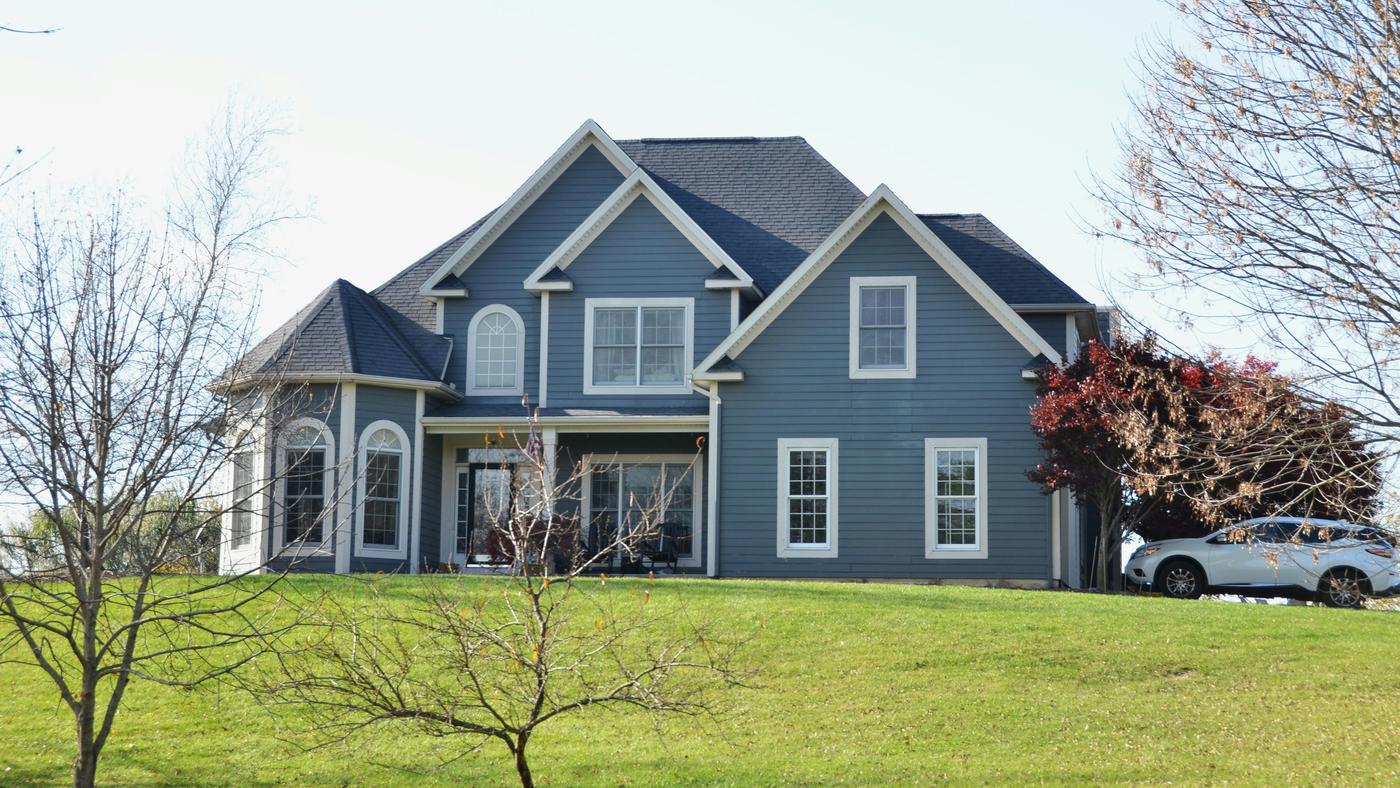
Exploring Terramore: A Unique Community and the Versatility of NFC Chip Cards
Master-planned communities can look perfect on day one. The streets are clean, the landscaping is sharp, and the amenities feel like a resort. Terramore fits that picture: newer homes, a clubhouse lifestyle, and a community designed to make day-to-day living easier.
But when you are deciding whether a community like this is “worth it,” the right move is not to rely on the tour. The right move is to evaluate how it will operate for you over years, not hours.
This article does two things:
- First: it explains how to evaluate Terramore-style communities in a practical way, including fees, rules, and resale factors.
- Second: it explains the real-world value of NFC chip cards, and why they show up in modern communities, events, and access systems.
If you are exploring Terramore or any similar master-planned community, use this as your checklist. It will help you separate lifestyle value from marketing polish.
What makes Terramore-style communities “different”
Communities like Terramore are designed around an experience, not just housing. That experience usually includes:
- a clubhouse with scheduled activities and events
- fitness and wellness facilities
- pools, pickleball or tennis, and outdoor gathering spaces
- walking trails and maintained common areas
- organized clubs and social groups
- a consistent look and feel across the neighborhood
The trade is simple: you get convenience and community, but you accept fees and rules. For many buyers, that is a great deal. For others, it feels restrictive.
The goal is to identify which one you are before you buy.
Who tends to love communities like Terramore
Terramore-style communities tend to fit buyers who want:
- Low-maintenance living: someone else handles much of the exterior and common-area upkeep.
- Built-in social life: the community creates easy ways to meet people.
- Amenities without separate memberships: gym, pool, and club activities in one package.
- Newer homes: modern layouts and updated systems, often with energy-efficiency improvements.
- Predictable neighborhood standards: fewer “wildcard” properties next door.
People who enjoy structure usually thrive in these communities. People who hate rules usually do not.
Who should be careful before buying
A community can be beautiful and still be a bad fit for you. You should slow down if any of these describe you:
- You dislike HOA rules and do not want approval processes for changes.
- You want maximum freedom for parking, vehicles, or home-based hobbies.
- You do not plan to use amenities and do not want to pay for them.
- You want to rent the home freely, short-term or often.
- You want a “no monthly surprises” budget and you are sensitive to fee increases.
HOAs can raise dues over time. They can also issue special assessments for major projects. You are not only buying a home. You are joining a financial and rule system.
How to evaluate the HOA the right way
The HOA is the operating engine behind the lifestyle. If the HOA is well-run and well-funded, the community often stays strong. If not, things get stressful quickly.
Start with the three core questions
- What do dues include? landscaping, security, amenities, community events, exterior maintenance, and more can be bundled.
- How healthy are reserves? reserves are the savings account for future repairs and replacements.
- What are the rules? rules shape daily life, resale flexibility, and rental options.
HOA documents you want to review
- CC&Rs (rules and restrictions)
- Bylaws and community policies
- Budget and financial statements
- Reserve study if available
- Meeting minutes (they reveal problems and planned projects)
- Any current or recent assessments
If you only do one thing, do this: read the rules and ask yourself, “Can I live with this daily?”
Daily life questions to ask on your visit
Touring amenities is fun. But you need to understand how the community feels when you actually live there.
Ask these questions during your visit:
- What activities are most popular right now, and how often do they run?
- Are there quiet hours or rules that affect guests and gatherings?
- How crowded are amenities during peak times?
- What is the age profile and activity level of residents?
- How strict is architectural review for exterior changes?
- What is the reality of parking for residents and visitors?
- What does the community do well, and what do residents complain about?
If possible, visit on a weekend and a weekday. The vibe can change.
Home options: new build vs resale
In communities like Terramore, you may have both new construction and resale opportunities. Each path has advantages.
New build pros
- modern layouts and finishes
- new systems (roof, HVAC, appliances) reduce near-term repair risk
- builder warranties may reduce early surprises
- you may be able to customize certain features
New build watch-outs
- upgrades can add up quickly
- construction timeline risk
- future phases may bring noise and traffic
- the “finished” community feel may take time
Resale pros
- you can see the mature neighborhood and landscaping
- the home may already include upgrades like landscaping, window coverings, and built-ins
- you can evaluate the community’s real rhythm, not the sales version
Resale watch-outs
- you need to inspect systems and maintenance history
- you still need to confirm HOA rules and any pending assessments
The best move is to compare both options using total monthly cost plus known maintenance risk.
Resale value: what drives demand in amenity communities
Resale performance in these communities usually depends on:
- HOA stability: healthy reserves and reasonable dues increases help values.
- Amenity quality: amenities must stay well-maintained and relevant to residents.
- Community reputation: word-of-mouth matters more than people think.
- Rules that match the market: overly restrictive policies can reduce buyer pool.
- Home layout fit: practical single-level layouts, storage, and usable outdoor space matter.
The community lifestyle can be a strong value multiplier, but only if the HOA runs it well.
Where NFC chip cards fit into modern community life
Now to the second part: NFC chip cards. You might see NFC used for clubhouse access, event check-ins, gate entry, resident identification, or even payments at community events.
NFC stands for “Near Field Communication.” In simple terms: it is a short-range wireless technology that lets a card (or phone) communicate with a reader when it is very close. Think “tap to unlock” or “tap to check in.”
Why communities use NFC cards
- Access control: clubhouses, gyms, pools, and gates can be controlled without physical keys.
- Fast check-ins: events and classes can confirm attendance quickly.
- Better security: access can be turned off instantly if a card is lost.
- Audit trails: systems can log access times for safety and management needs.
- Convenience: residents do not need to remember multiple keys or codes.
NFC is common because it is simple, fast, and affordable for organizations. It also reduces the “key copying” problem that physical keys create.
NFC cards vs RFID cards vs phone access
You may hear NFC and RFID used together. NFC is a form of RFID technology designed for short-range, secure interactions. Many access systems can support cards, key fobs, and phone-based credentials.
Phone access is convenient, but cards still matter because:
- some residents prefer a simple card instead of relying on a phone battery
- cards are easy to issue for guests or temporary access
- cards work for quick tap-based check-in workflows
Real-world examples of NFC use
- tap your card to enter the fitness center
- tap to check in for a yoga class
- tap for gated entry where supported
- tap to borrow equipment or reserve certain amenities
NFC is not a gimmick. It is simply a practical tool to run amenities smoothly.
What to ask if the community uses NFC access
If NFC access is part of the community system, ask:
- Is there a fee for replacement cards?
- How many cards are issued per household?
- Can guest access be issued, and how?
- Is there phone-based access as an alternative?
- How are access privileges managed if you rent the property?
The goal is not to become technical. The goal is to understand how daily life works.
Practical decision framework: is Terramore-style living “worth it”?
Use this simple framework:
1) Calculate your “amenity break-even”
Add up what you would spend for gym membership, pool club, social clubs, and classes if you lived elsewhere. Compare it to your HOA dues. If you will actually use the amenities, the math often looks better.
2) Score your tolerance for rules
Read the rules and rate them honestly. If they irritate you now, they will irritate you more later.
3) Verify the HOA financial health
Strong reserves and stable budgeting reduce the risk of unpleasant surprises. If you cannot get clarity, treat it as a risk.
4) Confirm resale flexibility
Even if you plan to stay long-term, life changes. Make sure rental rules and resale market demand align with your fallback options.
Bottom line
Terramore and similar communities can be an excellent fit if you value amenities, social life, and low-maintenance living. The community structure can create real quality of life. But the same structure can feel restrictive if you want maximum freedom.
Treat the decision like a business decision: verify dues, verify rules, verify reserve health, and confirm the community fits how you actually live. Then enjoy the lifestyle benefits with confidence.
Educational content only. Community rules, fees, and access systems vary by property and can change over time. Request and review property-specific documents and confirm details with qualified professionals before purchasing.