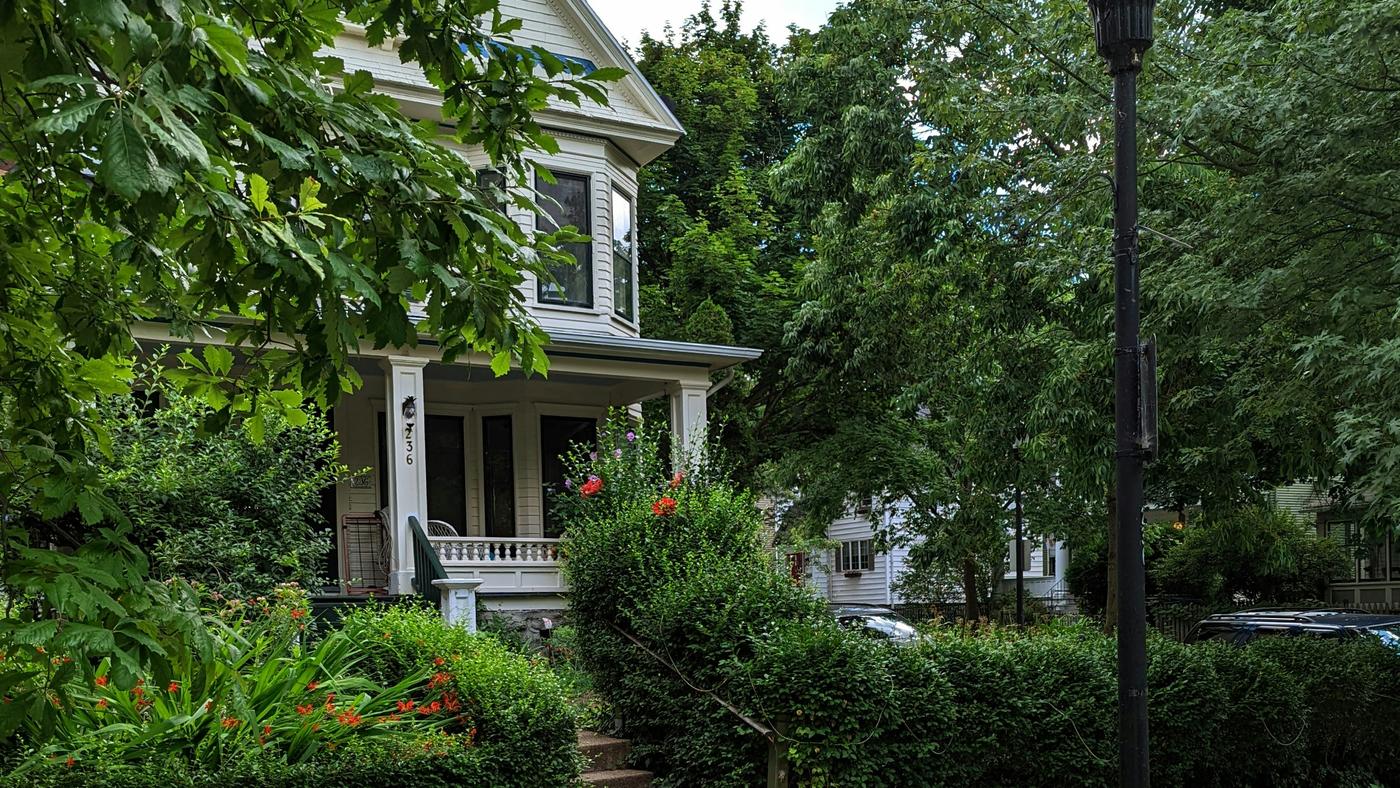
Community Spotlight: Amenities, Access, and Daily Life
Listings can tell you bedrooms, square footage, and how good the kitchen looks in wide angle photos. They usually cannot tell you what it feels like to live there on a Tuesday.
A community is not just the homes. It is the daily operating system around the homes. If that system matches your life, the home feels easy. If it does not, even a “perfect house” can become stressful.
This guide is a practical way to do a community spotlight without guessing. It is built around three things:
- Amenities: what you can do and where you can go without planning your day around it.
- Access: how quickly you can reach what matters (work, highways, airports, healthcare).
- Daily life: the real-world friction points that affect happiness more than a backsplash.
Use this framework to compare communities side by side, especially if you are relocating or buying in an area you do not know well.
Start with your “daily life requirements”
Before you compare neighborhoods, get clear on what “works” for you. Most buyers do not do this upfront. They shop houses, then try to justify the location.
Instead, write down your top requirements in plain language:
- Commute must be under 35 minutes to my job location.
- I need quiet nights, low traffic noise.
- I want a walkable coffee shop or a park within 10 minutes.
- I want grocery options within 15 minutes.
- I want reliable internet for remote work.
- I need good access to medical care.
- I need space for a dog and a safe walking loop.
These are not “nice to have.” These are the rules that determine whether the home supports your life.
Amenities: what the area offers without effort
Amenities are not just luxury features. They are the everyday resources that reduce friction and increase quality of life. Buyers often overvalue one big “wow” amenity and undervalue the boring essentials.
1) Food and errands
You will visit grocery stores, pharmacies, and basic services constantly. If errands are a pain, life feels harder.
Evaluate:
- Grocery depth: are there multiple grocery stores, or only one option?
- Quality: do you have both budget and higher-quality options?
- Convenience: how far is a pharmacy, hardware store, and basic retail?
- Traffic friction: is a “10 minute drive” actually a 25 minute crawl at peak times?
A simple test: pick three normal errands and map them as a loop from the neighborhood. If the loop is smooth, that is a green flag.
2) Parks, trails, and outdoor time
Parks are not only for kids. They are stress management for adults too. Even a small trail loop can change how often you get outside.
Look for:
- parks within 5 to 10 minutes
- trail access and sidewalks
- shade, lighting, and safety feel
- dog-friendly space (if relevant)
- sports courts, fields, or fitness stations (if you use them)
If you are buying in a hotter climate, shade and evening walkability matter more than you think.
3) Schools and child services (even if you do not have kids)
Even if schools are not part of your life, they can influence resale demand and neighborhood stability. In many markets, strong school zones tend to hold value better over time.
If schools matter to you personally, go deeper:
- school assignment boundaries (they can change)
- travel time to school at drop-off and pickup
- after-school programs and childcare access
- bus routes and safety of walking paths
Do not assume “close” means easy. School traffic can be brutal in some areas.
4) Restaurants, coffee, and third spaces
A neighborhood with good third spaces tends to feel more alive. Third spaces are places you can go without a big plan: cafes, libraries, small downtowns, community centers.
Evaluate:
- is there a cluster of local spots, or only chains?
- are they busy at normal times, or mostly empty?
- do you see families, professionals, older residents, a mix?
You are not judging people. You are checking fit. You want “this feels like my kind of day.”
5) Healthcare access
Buyers often ignore healthcare until it matters. Access to urgent care and hospitals can be a real quality-of-life issue, especially for families and older buyers.
- urgent care within 10 to 15 minutes
- hospital access without crossing major traffic chokepoints
- specialist density in the area (if you need it)
Access: how fast you can reach what matters
“Access” is about time and reliability, not distance. Ten miles can be 12 minutes or 45 minutes.
1) Commute reality, not commute theory
If you commute, test it like a system engineer:
- simulate the route at the times you would travel
- check alternate routes, not just the fastest one
- look for bottlenecks like bridges, single highway entries, school zones
- consider accident sensitivity (some routes collapse when one crash happens)
If remote work is your norm, replace commute time with “access to life”: grocery, gym, parks, social time, and airport convenience.
2) Highway and arterial road layout
Some neighborhoods are close to everything, but painful to leave. Others are slightly farther, but easy to move in and out of.
Watch for:
- single entrance subdivisions (can stack traffic)
- long waits to make a left turn onto main roads
- school traffic patterns that block your only exit
- train crossings that regularly stop traffic
3) Airport and travel access
If you travel often, airport access is not a luxury, it is time reclaimed. Consider:
- drive time at peak hours
- parking availability and cost patterns
- rideshare reliability late at night
4) Flood zones, fire zones, and access during bad weather
This is not about fear. It is about operational reality. Some areas have roads that flood, wind issues, or wildfire-related closures.
If the region is known for these risks, ask:
- are there multiple ways out?
- does the neighborhood rely on one main road that can close?
- are there community alert systems and evacuation plans?
Daily life: the friction points that cause regret
This is where buyers win or lose long-term happiness. Most regrets are not about countertops. They are about daily friction that never stops.
1) Noise: highways, trains, airports, and neighbors
Noise tolerance is personal, but noise patterns are measurable. Check:
- distance to highways and major roads
- train tracks and crossing horns
- airport flight paths
- nearby nightlife zones
- school playground and sports field noise (can be daily)
Practical test: visit the area at three times: morning rush, evening rush, and late evening. A quiet afternoon visit can be misleading.
2) Parking and guest logistics
Parking sounds boring until you host people. Or until you come home late and circle your block.
- street parking rules
- HOA restrictions (commercial vehicles, overnight street parking)
- guest parking availability
- driveway slope and garage usability (some garages are storage-only in real life)
3) Internet and cell coverage
If you work from home, reliable internet is not optional. Do not assume it is fine just because you are near a city.
- what providers serve the area
- fiber vs cable vs fixed wireless
- actual speeds reported by neighbors (not marketing claims)
- cell signal strength inside homes (walls can kill it)
If you depend on video calls, test coverage on-site.
4) Safety feel vs safety reality
“Safety” is hard because people mix facts, feelings, and bias. The cleanest approach is:
- observe lighting, visibility, and walkability at night
- look for signs of persistent property neglect
- talk to locals about nuisance issues (car break-ins, speeding, loud parties)
- check whether community groups mention repeated issues
Also remember: a neighborhood can be safe and still annoying, and annoying creates regret too.
5) HOA rules and community management
If the community has an HOA, you are not just buying a home. You are buying into a rule system and a budget.
Pay attention to:
- monthly dues and what they actually cover
- special assessment history (a clue that reserves are weak)
- rental restrictions (can affect resale and investor demand)
- parking rules, exterior changes, pets, noise enforcement
- amenities maintenance quality (pools and gyms are expensive to keep up)
A well-run HOA can protect value. A chaotic HOA can drain time and money.
6) Construction, growth, and future disruption
Growth can be good, but it can also change your daily life fast. Check:
- nearby empty land that may be developed
- road widening projects
- new retail centers (good) and new traffic (also real)
- new apartment density nearby (not automatically bad, but it can change parking and traffic)
If you buy next to a future construction zone, you may live with noise and dust for years.
How to do a community spotlight visit the smart way
If you can visit in person, do it like a checklist. Here is a simple “one afternoon” plan:
Step 1: Drive the perimeter
- Find the main entry and exit paths.
- Notice what the community borders: schools, retail, industrial, highways.
- Spot noise sources and traffic chokepoints.
Step 2: Run the errands loop
- Drive to grocery, pharmacy, and a coffee spot.
- Time it in real conditions.
- Notice the friction: lights, bottlenecks, awkward turns.
Step 3: Walk it
- Check sidewalks, crosswalks, and lighting.
- Look for a natural walking loop.
- Note how many people are outside and what they are doing.
Step 4: Sit and listen
- Park, roll down windows, and listen for 5 minutes.
- Noise is easier to detect when you stop moving.
Step 5: Come back at night if possible
- Night changes everything: lighting, noise, vibe, traffic speed.
- If you cannot visit at night, drive early morning and late evening at minimum.
Community spotlight scorecard (copy and use)
Score each category 1 to 5 and write one sentence why. The sentence matters more than the number.
- Errands convenience: _____ / 5 (why: __________)
- Parks and outdoor access: _____ / 5 (why: __________)
- Commute and access: _____ / 5 (why: __________)
- Noise level: _____ / 5 (why: __________)
- Walkability and safety feel: _____ / 5 (why: __________)
- Internet and cell reliability: _____ / 5 (why: __________)
- HOA and rules fit (if applicable): _____ / 5 (why: __________)
- Future disruption risk: _____ / 5 (why: __________)
- Overall lifestyle fit: _____ / 5 (why: __________)
When you compare two communities, this scorecard makes the decision clearer fast. The “best” community is not the one with the highest price. It is the one that fits your life with the least friction.
Common mistakes buyers make when judging a neighborhood
Mistake 1: judging only on a weekend
Weekends can be quieter or busier depending on the area. You need at least one weekday drive-by to understand traffic and noise patterns.
Mistake 2: overvaluing one amenity
A beautiful pool does not fix a painful commute. A cute downtown does not fix bad parking and constant congestion. Balance the full system.
Mistake 3: ignoring HOA rules until after you buy
Buyers often treat HOA docs like paperwork. They are actually the operating manual of your community. Read them early enough to walk away if needed.
Mistake 4: not testing daily routes
If you have a job location, a gym, a school, or a family member you visit often, test those routes. Life is routes.
Bottom line
Community fit is not a vibe. It is a set of daily inputs: errands, access, noise, rules, and the little frictions that repeat. A community spotlight is how you bring those inputs into the decision before you commit.
Use the framework, run the visit plan, fill out the scorecard, and compare neighborhoods like systems. When the system matches your life, everything about the home feels better.
Educational content only. Community conditions and availability of services change over time. Verify details that matter to you, including HOA rules, service providers, commute times, and local regulations, before making a purchase decision.